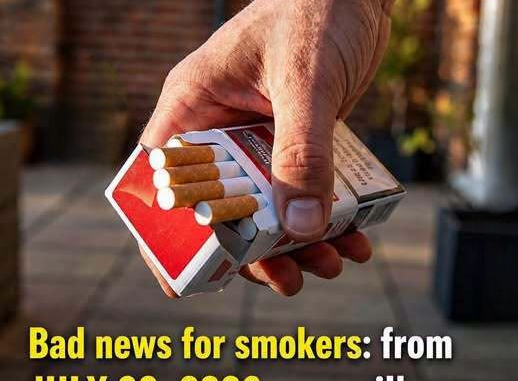
Your smoking habit could soon become a serious financial burden. Behind the familiar appearance of neighborhood tobacco shops and identical cigarette packs is a costly system that steadily drains smokers’ wallets. Across the country, tobacco users are facing record-breaking price increases as cigarette costs climb to shocking levels. With governments raising taxes and major tobacco companies adjusting prices, the everyday expense of maintaining a nicotine habit has reached a point that many smokers never expected. If you thought cigarette prices were already expensive, the latest increases may come as a major surprise.
To understand why a simple pack of cigarettes has become one of Europe’s most tightly controlled and expensive consumer products, it is necessary to look at the system behind its pricing. In France, cigarette prices are not determined by ordinary market competition alone. Instead, they are carefully regulated through a structured process involving manufacturers and government authorities. Tobacco companies first suggest a retail price based on production expenses, packaging, transportation costs, and their desired profit margins.
That proposed price, however, cannot immediately reach consumers. It must pass through government approval and strict regulatory checks. Once accepted, the price becomes the official nationwide cost for that specific cigarette brand. This creates a highly uniform market where a smoker in central Paris pays nearly the same amount as someone purchasing cigarettes in a small rural village. The system leaves little room for price differences or cheaper alternatives.
But behind this organized pricing model is a much larger financial strategy. When consumers purchase a pack of cigarettes, only a small portion of the money goes to manufacturers and retailers. A significant share is collected by the government through taxes, including tobacco duties and value-added tax.
These taxes are regularly adjusted upward, causing cigarette prices to rise year after year. In France, the average cost of a pack has climbed into the range of approximately €12.50 to €13, turning what was once a routine purchase into a noticeable financial expense. For many smokers, each pack serves as a constant reminder of how costly their habit has become.
From the viewpoint of government officials and public health advocates, these price increases are part of a broader effort to reduce smoking rates. The goal is twofold: make cigarettes less affordable, especially for younger people and lower-income groups, while generating additional revenue to support healthcare services and anti-smoking programs. By increasing the financial pressure, authorities hope to discourage new smokers from developing the habit and encourage existing smokers to quit.
Looking ahead, one thing appears increasingly clear: the days of inexpensive cigarettes are disappearing. Smoking is no longer just a personal habit—it has become a costly choice shaped by strict regulations, rising taxes, and government policies aimed at changing consumer behavior. For millions of smokers, every cigarette now comes with a much heavier price attached.
Leave a Reply