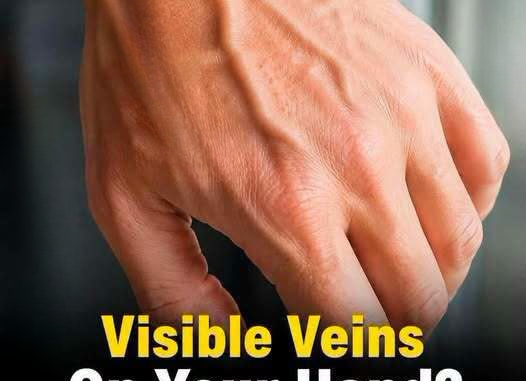
You look down at your hands and suddenly notice something different—veins that appear blue, raised, and more visible than before, winding beneath your skin like small branches. You might assume it’s simply part of getting older, the result of exercise, or just a reaction to hot weather. But what if this noticeable change is more than a harmless appearance issue? What if your body is sending a warning sign about something happening beneath the surface in your circulatory system? Overlooking these signals could allow a serious problem to go unnoticed. It’s worth understanding what your body may be trying to tell you.
In many cases, visible veins on the hands are completely normal and simply reflect how the body works. For some people, genetics, a naturally lean build, low body fat, or even skin characteristics make veins stand out more clearly. Factors like hydration, skin tone, and overall body composition also influence how noticeable these vessels become. As we get older, our skin naturally becomes thinner and loses some of its collagen and elasticity. The protective layer that once concealed veins, tendons, and bones becomes less prominent, allowing these structures to become more visible.
Still, the body often communicates through subtle changes, and there is an important difference between a normal variation and a possible warning sign. When your blood vessels are healthy, circulation usually works quietly in the background. But when something begins interfering with normal blood flow or pressure regulation, the body may leave clues. The biggest concern is not always that veins become more visible—it is when the change happens suddenly. Veins that gradually become more noticeable over many years are often linked to natural aging, but veins that appear suddenly or are accompanied by discomfort may deserve closer attention.
Pay attention to how the veins feel and how quickly the change occurred. If a vein that was once soft and flexible suddenly becomes hard, firm, or rope-like, it may indicate irritation, inflammation, or another vascular issue that should be checked by a healthcare professional. When this change occurs along with warmth, tenderness, redness, or a throbbing sensation, it may be a sign of inflammation in the vein, sometimes called phlebitis. These symptoms should not simply be ignored, as they can point to changes in the blood vessel environment caused by injury, reduced circulation, or other health concerns.
Your veins can also provide clues about your overall cardiovascular health. The circulatory system works as one connected network, meaning problems in one area can influence another. While the veins in your hands are far from the center of your circulation, changes there can sometimes reflect broader issues involving blood flow. In more serious situations, conditions that affect how efficiently blood returns to the heart may lead to increased pressure in the veins. If your hands frequently swell or your veins remain enlarged even after exercise or heat exposure has passed, it may indicate that blood is not moving back through the body as effectively as it should.
The goal is not to panic every time you notice a visible vein. Fear can lead to unnecessary stress, which may affect your blood pressure and overall well-being. Instead, focus on being aware and observant. Pay attention to patterns and changes. Does swelling happen only after standing for long periods? Does discomfort improve when you raise your hands? Is there redness, skin discoloration, or warmth around the vein? These details can help a medical professional determine whether the change is harmless or something requiring treatment.
Maintaining healthy circulation starts with habits that support your vascular system every day. Regular movement helps keep blood flowing efficiently. The muscles in your arms and hands assist circulation by helping move blood back toward your heart, especially when you stay active. A sedentary lifestyle can make your veins work harder than necessary. Staying hydrated is also important because dehydration can make blood more concentrated, forcing the heart and vessels to work harder to maintain circulation.
Smoking is one of the biggest threats to blood vessel health. Chemicals in tobacco can damage the inner lining of arteries and veins, contribute to plaque buildup, and increase the risk of circulation problems. Quitting smoking benefits far more than your lungs—it gives your entire cardiovascular system an opportunity to recover from years of damage.
Your veins play a crucial role in keeping your body functioning, even though they often go unnoticed. Supporting them means maintaining a healthy weight, keeping blood sugar levels under control, staying active, and paying attention to changes in your body. If you notice persistent swelling, unusual pain, significant changes in how your veins look, or a feeling that something is not right, seeking medical advice is the safest choice. Your hands can reveal important clues about your health history and current condition—learning to recognize those signs can help you take action before a small concern becomes a bigger problem.
Leave a Reply