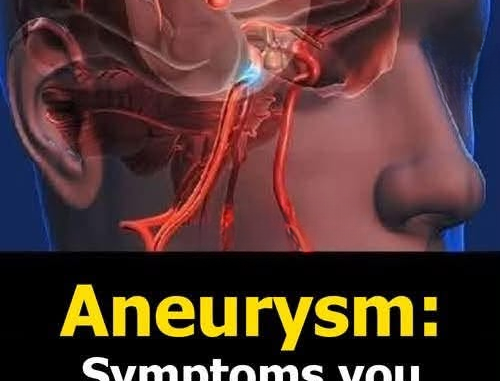
Myth vs Fact: Aneurysms — Common Misconceptions Explained Through Science
Aneurysms—areas where the wall of a blood vessel becomes weakened and starts to bulge outward—are often misunderstood. Since many aneurysms remain unnoticed until they become serious, misinformation about them is common. Here are some of the biggest myths, along with what medical science actually tells us.
Myth 1: “Aneurysms only happen to older people.”
Fact: Aneurysms can develop at any age.
The science:
While aging does increase the risk because blood vessels naturally become less flexible and may experience years of damage, younger people can also develop aneurysms. Genetic factors, inherited connective tissue conditions such as Ehlers–Danlos syndrome, and naturally weaker blood vessel structures can all play a role.
Certain lifestyle factors, including smoking and poorly controlled high blood pressure, can also damage blood vessels and increase the risk regardless of someone’s age.
Myth 2: “If you don’t have symptoms, an aneurysm isn’t dangerous.”
Fact: Many aneurysms remain silent until they rupture.
The science:
Small or stable aneurysms often cause no noticeable symptoms because they may not affect nearby tissues. However, the weakened section of the artery remains vulnerable.
As blood continues to push against the damaged area, pressure can gradually weaken the vessel wall further. If the wall breaks, it can cause severe internal bleeding, including a brain bleed known as a subarachnoid hemorrhage, which requires immediate medical attention.
Myth 3: “A severe headache is always just a headache.”
Fact: A sudden, extreme headache can be a warning sign of a ruptured brain aneurysm.
The science:
Many people describe this type of pain as the “worst headache of my life.” It occurs when blood suddenly leaks into areas surrounding the brain, irritating its protective layers.
Other symptoms may include nausea, vomiting, neck stiffness, sensitivity to light, confusion, or loss of consciousness.
This type of headache is different from ordinary tension headaches or typical migraines and should be treated as an emergency.
Myth 4: “Healthy people don’t need to worry about aneurysms.”
Fact: A person can appear healthy and still have an aneurysm.
The science:
Aneurysms can form quietly due to changes inside the blood vessel wall, including inflammation, breakdown of structural proteins, and abnormal blood flow patterns.
Even people who seem healthy may have risk factors such as hidden high blood pressure, family history, long-term stress, or other factors that contribute to aneurysm development.
Myth 5: “Every aneurysm will eventually rupture.”
Fact: Not all aneurysms rupture, but the risk depends on several factors.
The science:
Doctors evaluate rupture risk based on the aneurysm’s size, location, growth rate, and the strength of the vessel wall.
Larger aneurysms and certain locations—especially within some brain arteries—may carry a higher risk. Depending on the situation, doctors may recommend regular monitoring through imaging or preventive treatments such as surgical clipping or endovascular procedures.
What Actually Happens During an Aneurysm?
An aneurysm develops when part of a blood vessel wall becomes weakened and begins expanding under the pressure of blood flow.
This process can involve:
- Loss of important structural proteins such as collagen and elastin
- Long-term inflammation within the vessel wall
- Changes in blood flow that place extra stress on certain areas of the artery
Over time, the weakened wall may become thin enough to tear, causing dangerous bleeding.
Why Knowing the Warning Signs Matters
Aneurysms are especially dangerous because they can remain hidden until a serious event occurs.
Understanding the facts can help people:
- Notice possible warning signs sooner
- Recognize personal risk factors
- Seek medical care when necessary
Before a rupture—or as one begins happening—the body may show signs that should not be ignored.
Possible signs of an unruptured aneurysm:
- Pain around or behind one eye
- A widened pupil
- Blurred or double vision
- A drooping eyelid
- Numbness or weakness on one side of the face
These symptoms may occur when an aneurysm presses against nearby nerves.
Emergency warning signs of a ruptured aneurysm:
- Sudden, severe headache (“the worst headache ever”)
- Nausea or vomiting
- Neck stiffness
- Sensitivity to light
- Confusion or fainting
- Seizures
A ruptured aneurysm is a medical emergency. Seek emergency help immediately if these symptoms occur.
Leave a Reply