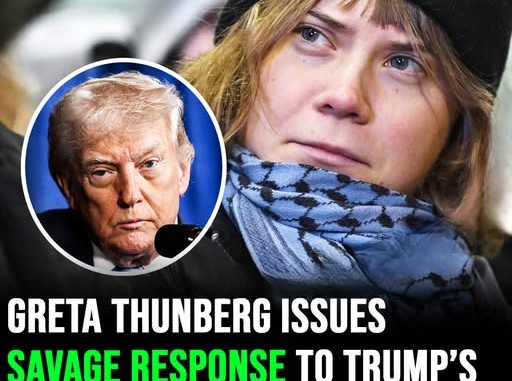
What initially appeared to be a welcome sign of de-escalation soon gave way to renewed controversy, public criticism, and a heated exchange of opinions. A temporary ceasefire between the United States and Iran brought a pause to weeks of rising tensions, but the rhetoric surrounding the agreement continued to dominate headlines and spark debate around the world.
The ceasefire, set to last two weeks, reportedly followed intense diplomatic efforts involving several international actors. Among those said to have played a role were leaders from Pakistan, who encouraged both sides to avoid further escalation. A key component of the agreement involved the reopening of the Strait of Hormuz, one of the world’s most important shipping routes for oil and global trade.
The significance of the waterway extends far beyond the region. Any disruption can affect energy prices, international commerce, and economic stability worldwide. As a result, reopening the passage was viewed as an important step toward reducing tensions and restoring confidence in global markets.
Reports indicated that Iran presented a detailed framework containing multiple conditions for a ceasefire. U.S. officials reportedly viewed the proposal as a basis for further discussions, suggesting that despite ongoing disagreements, there was still room for negotiations during the temporary pause. On the surface, the development appeared to offer a path toward greater stability.
However, public attention quickly shifted to comments made by Donald Trump shortly before the ceasefire announcement. In discussing potential consequences if an agreement failed to materialize, he used forceful language that many critics viewed as inflammatory. The remarks generated significant debate, with supporters describing them as part of a negotiating strategy and opponents arguing that they risked escalating an already tense situation.
The backlash extended beyond Trump’s usual critics. Some commentators and public figures who had previously supported his approach expressed concerns about the tone and potential impact of such statements. The discussion centered not only on diplomatic strategy but also on how political leaders communicate during periods of international uncertainty.
Among the most prominent responses came from Greta Thunberg. The climate activist publicly criticized the rhetoric, arguing that language involving large-scale destruction and conflict should not be treated as normal or acceptable. In a widely shared video, she expressed frustration with what she viewed as a growing tolerance for extreme statements related to war and violence.
Thunberg framed the issue as part of a broader concern about accountability, human rights, and the consequences of powerful leaders using aggressive rhetoric. Her comments were direct and uncompromising, reflecting her belief that public figures should be challenged when their words contribute to a culture that normalizes conflict.
Reaction to her remarks was divided. Supporters praised her willingness to speak out on issues beyond climate policy, while critics argued that her comments oversimplified a complex geopolitical situation. Regardless of differing opinions, the exchange underscored the increasingly interconnected nature of politics, activism, and public discourse.
This was not the first public disagreement between Thunberg and Trump. Over the years, the two have represented sharply contrasting viewpoints on a range of issues, and this latest episode further highlighted those differences against the backdrop of an ongoing international dispute.
Meanwhile, the ceasefire itself remains only a temporary measure. A two-week pause provides an opportunity for further negotiations, but it does not resolve the deeper issues that have fueled tensions between the two countries. Longstanding disagreements, regional concerns, and years of mistrust continue to pose significant challenges.
For now, the immediate risk of further escalation has eased, offering both sides a chance to pursue diplomatic solutions. Yet the controversy surrounding the events leading up to the ceasefire continues to shape public perception of the situation.
The episode serves as a reminder that statements made by influential leaders can have consequences beyond diplomacy. They can influence public opinion, affect international relationships, and shape how conflicts are understood by audiences around the world.
As negotiations continue, attention will remain focused not only on the terms of the ceasefire but also on the broader debate about leadership, accountability, and the role of public discourse during times of crisis. While the future remains uncertain, the discussions sparked by this moment are likely to continue long after the ceasefire itself has ended.
Leave a Reply