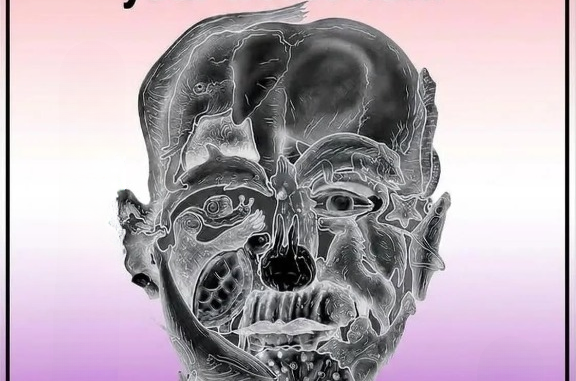
Personality is one of the most intriguing aspects of human nature. It shapes the way we relate to others, handle difficulties, and move through daily life. While our strengths help us achieve goals, form connections, and overcome obstacles, our imperfections are equally important. They often highlight areas where we can grow, learn, and gain a deeper understanding of ourselves. Instead of seeing flaws as shortcomings, many people view them as chances for self-improvement. Since no one is perfect, accepting both our positive traits and our weaknesses is a key part of developing self-awareness. For those curious about which traits might sometimes hold them back, a popular optical illusion test provides a lighthearted way to explore this idea.
At first glance, the picture seems to show a human face. However, looking more closely reveals that it is actually composed of many hidden animals cleverly blended into the design. The concept is simple: notice the first animal that stands out to you. According to the idea behind the illusion, that choice may hint at a personality tendency or challenge linked to your character. These tests are meant for entertainment rather than scientific analysis, but people enjoy them because they encourage reflection and discussion. The important thing is not to overthink it—just go with your first impression.
Each animal is said to represent a different personality trait. For instance, seeing an elephant first may suggest stubbornness, while an iguana can indicate emotional detachment. A pig is often linked to pleasure-seeking, and a cricket may point to overthinking or anxiety. A horse can represent pride, while a dolphin may reflect impulsive behavior. Other interpretations include a bear for routine and structure, a fox for avoiding confrontation, and a rabbit for self-doubt. A toucan is associated with a desire for attention, while a kangaroo may symbolize inconsistency. A peacock is often connected to concern over appearance, and a turtle represents caution and careful decision-making.
The list goes on with more symbolic meanings. A whale may suggest hidden emotions, a gorilla can indicate leadership tendencies, and a duck may represent mood fluctuations. A starfish is often linked to avoidance of stress, while a snake may symbolize influence over others. A sloth can point to procrastination, a bird to inconsistency, and a snail to resistance to change. Whether or not these interpretations are accurate, the real purpose of such tests is to encourage self-reflection. Even a simple visual puzzle can prompt us to think differently about ourselves, recognizing patterns, strengths, and areas for growth, while also reminding us that self-discovery can be enjoyable.
Leave a Reply