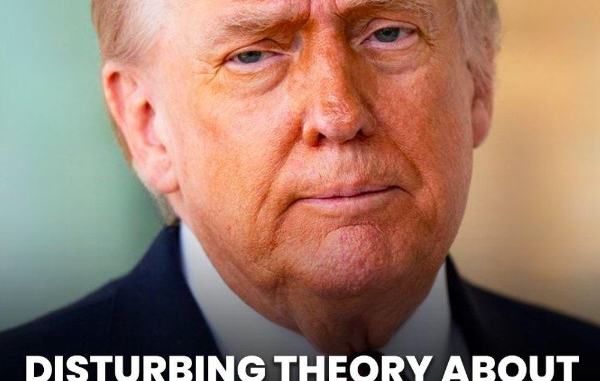
Now 79, he has also been seen on several occasions with visible bruising on his hands, including multiple instances this year, prompting official explanations. Trump initially said the marks were caused by bumping into objects, but later attributed them to his regular use of 325 mg aspirin. He noted that while aspirin supports heart health, it can also increase bruising, particularly at higher doses, adding that he takes a stronger formulation.
More recently, attention has expanded beyond physical health to questions about his mental fitness. Critics have pointed to certain policy decisions and public statements, including those related to U.S. involvement in the Iran conflict and posts on Truth Social.
Public opinion remains divided. A YouGov poll from October 2024 indicated that many Americans already believed he was too old for the presidency, a figure that reportedly rose to 49% by September 2025.
Speculation intensified further after reports suggested he was excluded from a Situation Room meeting. At the same time, a video of Trump stepping off Air Force One in Phoenix went viral, showing him standing with his legs set unusually wide while keeping his upper body steady. The posture sparked online debate, with some suggesting possible balance or mobility issues, though no evidence has confirmed these claims.
As scrutiny increases, some former supporters have also expressed doubts about his fitness for office. Commentator Alex Jones claimed Trump had become unstable following remarks about the Iran situation, while former congresswoman Marjorie Taylor Greene called for consideration of the Twenty-fifth Amendment, which allows for presidential removal if deemed unfit.
The amendment’s Section 4 applies when a president is unable to carry out duties but does not resign, requiring agreement from a majority of the cabinet.
Reports of tension reportedly escalated further when Trump was said to have been temporarily excluded from a Situation Room briefing over concerns his reaction could disrupt a sensitive mission involving a U.S. service member in Iran. He was allegedly angered by the decision, responding strongly to aides.
Taken together, concerns about his health, behavior, and decision-making have contributed to an ongoing and deeply divided public debate over his capacity to remain in office.
Leave a Reply