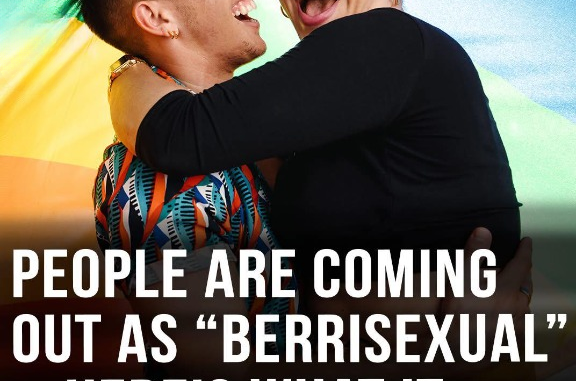
In the dim, neon-glow pockets of the internet, a quiet shift in language is unfolding—one that finally names a feeling many people have carried for years without words. For some, labels like “bisexual” or “pansexual” never quite fit; they were close, but not shaped to match the reality of their experiences. Their attraction didn’t split neatly or evenly, and they often felt out of place, as if they weren’t expressing their identity “correctly.” Now, a gentle new term is gaining attention: Berrisexuality.
More than just another trending label, Berrisexuality offers a sense of recognition and relief. It describes people who can feel attraction to all genders, but with a noticeable and consistent lean toward women, femininity, or androgyny. Attraction to men or masculinity is still present, but tends to feel less central—like a quieter part of a much larger whole. In the past, this imbalance was something people felt pressured to justify or correct in order to align with more symmetrical expectations.
As the term spreads across online communities, many are describing a moment of clarity—realizing they weren’t misunderstanding their identity after all. In a world that often pushes people into clear-cut categories, having language that embraces nuance and preference can feel empowering. It creates space for those who didn’t fully see themselves reflected in existing labels, offering a sense of belonging without forcing simplification.
Importantly, Berrisexuality doesn’t replace broader identities like bisexuality. Instead, it adds detail—helping people describe their experiences more precisely. It acknowledges that attraction isn’t always evenly balanced, and that having a strong preference doesn’t invalidate other aspects of one’s identity. For many, it becomes a concise way to explain something that once felt complicated and difficult to express.
This seemingly small shift in language carries a larger cultural meaning. While some worry about too many labels, others see them as tools for clarity and connection. Naming an experience can make it feel real and valid. For those embracing this term, it’s not about standing out—it’s about finally feeling seen.
As the idea continues to spread, it offers a message of acceptance. It reassures people that their patterns of attraction don’t need to fit a rigid mold to be valid. In a culture that often favors simple definitions, Berrisexuality makes room for complexity. It’s less about categorizing love and more about understanding it—on its own terms, without apology.
Leave a Reply