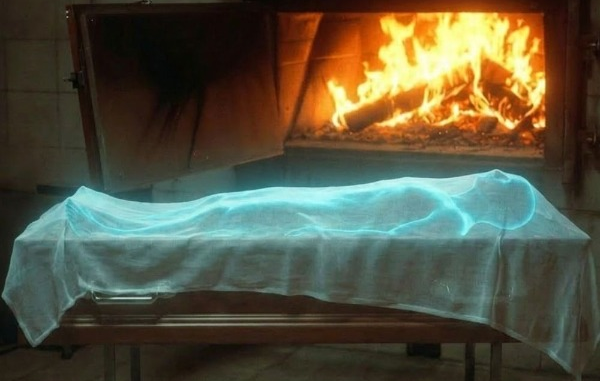
For many years, funerals followed a familiar pattern: a quiet cemetery, a polished casket, flowers, and a headstone marking a life for generations. This was long considered the traditional and respectful way to say goodbye. In recent decades across the United States, however, a clear shift has taken place. More families are choosing cremation over burial, influenced by changing lifestyles, financial considerations, and evolving views on remembrance.
This change didn’t happen overnight. It emerged gradually as families made deeply personal decisions during emotional moments. Planning a funeral isn’t only about logistics or cost—it’s about honoring a life and preserving its memory.
One major reason for cremation’s growing popularity is cost. Traditional burials often come with significant expenses, including a casket, burial plot, headstone, and service fees, which can feel overwhelming during a time of grief. Cremation is typically more affordable, allowing families to focus less on financial strain and more on remembrance.
Flexibility is another important factor. Traditional funerals often must take place quickly, which can make it hard for loved ones to travel and gather. Cremation allows services to be scheduled later—sometimes weeks or months afterward—making it easier to plan more meaningful and less rushed gatherings. Families can also choose locations that better reflect the person’s life, such as homes, parks, or other special places.
Limited space also contributes to the shift. In many cities, cemetery plots are becoming scarce and expensive. Cremation requires far less space and offers more options for honoring remains, whether keeping them at home or placing them in memorial settings.
Family dynamics have changed as well. While families once lived close together, many are now spread across different regions or countries. Maintaining a gravesite can be difficult when no one is nearby. Cremation provides portability, allowing loved ones to stay connected regardless of distance.
Cultural and personal beliefs have also evolved. Although burial was once strongly preferred in many traditions, cremation is now widely seen as a respectful and simpler option. Some people even plan their arrangements in advance, choosing cremation to ease the burden on their families.
Funeral planning can feel overwhelming, especially during grief. Cremation often simplifies decisions and reduces time pressure, helping families focus more on healing and remembrance. Many still hold memorial services or celebrations of life, often making them more personal and meaningful.
In the end, the rise of cremation reflects broader changes in modern life—higher costs, shifting traditions, and a desire for more flexible and personal ways to say goodbye. It’s not about one choice being better than another, but about what feels right for each family.
Ultimately, what matters most is not the method chosen, but how someone is remembered—the love they gave, the memories they created, and the impact they left behind.
Leave a Reply