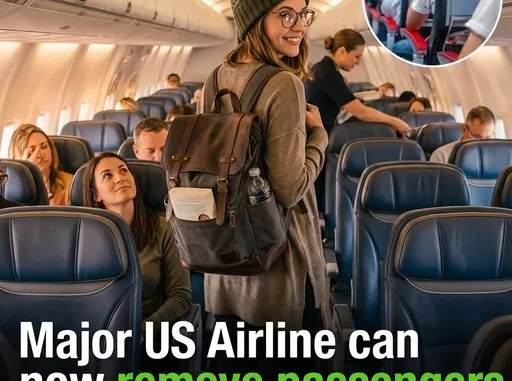
Air travel brings together people from all walks of life into a shared space, making courtesy and consideration essential for a pleasant journey. Recently, a major U.S. airline has responded to a growing complaint from passengers: individuals playing music, videos, or games aloud on their phones without using headphones. This behavior has even picked up a nickname online—“barebeating”—a term used to describe listening to audio in public without earbuds. While it may seem like a small issue, loud personal media can quickly disrupt the calm atmosphere many travelers expect during a flight. As technology advances and more passengers stream content onboard, airlines are becoming increasingly aware of how these habits impact the overall in-flight experience.
To address the concern, United Airlines has revised its Refusal of Transport policy, which outlines situations where a passenger can be denied boarding or removed from a flight. The updated policy now clearly states that refusing to use headphones while playing audio or video may be considered disruptive behavior. This puts it in the same category as other issues like ignoring crew instructions or boarding while intoxicated. Although using headphones has long been an unspoken expectation, the airline has made the rule more explicit as onboard internet access continues to improve. With high-speed connectivity becoming more common, passengers now have greater access to streaming entertainment, which can increase noise levels if headphones aren’t used.
Many travelers have welcomed the clarification, noting that using headphones in shared environments should already be standard etiquette. Discussions online suggest that frequent flyers often find loud device audio distracting, especially on longer flights where people may want to rest, read, or work. Flight attendants also report that reminding passengers to lower their volume or use headphones has become a routine part of their duties. By formalizing the rule, airlines aim to reduce conflicts between passengers and crew while maintaining a more peaceful cabin atmosphere.
The issue has also sparked conversation among parents traveling with children. Some argue that younger kids may find headphones uncomfortable, while others believe parents can still manage device use to minimize disruption. Airline staff stress that the guideline applies to everyone, regardless of age. In the end, the takeaway is straightforward: if you plan to watch, listen, or play something during your flight, bringing headphones is the simplest way to ensure a more enjoyable experience for everyone onboard.
Leave a Reply